

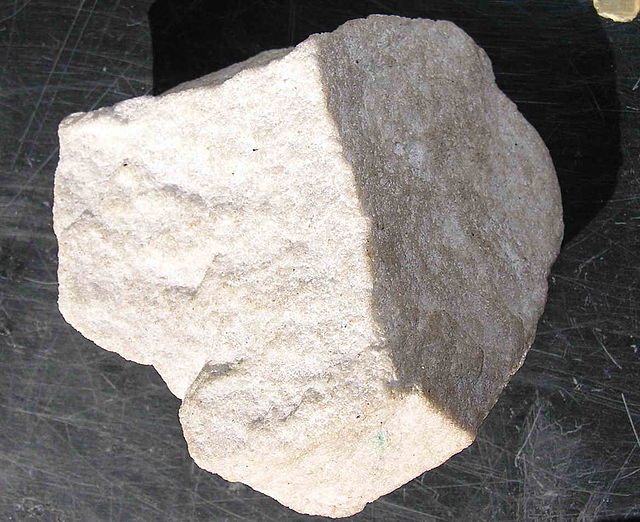
What is Marble and How is it Produced?
Marble is a metamorphic rock that forms from the recrystallization of limestone under high pressure and temperature. It is widely appreciated for its beauty, durability, and versatility, making it a popular choice in construction and design.
Formation of Marble
The formation of marble involves a natural geological process:
1. Parent Rock: The parent rock of marble is limestone, which is composed primarily of calcium carbonate. Over millions of years, geological forces can subject limestone to high heat and pressure.
2. Metamorphism: Under these extreme conditions, the calcite in the limestone undergoes recrystallization, forming a denser and more durable rock—marble. This process also alters the original structure and mineral composition, giving marble its unique patterns and colors.
3. Natural Features: The presence of various minerals during formation can result in a variety of colors and veining patterns, which contribute to the aesthetic appeal of marble. Common colors include white, black, gray, pink, and green.
Extraction of Marble
The extraction of marble involves several steps:
1. Location Selection: Marble is typically found in mountainous regions where limestone deposits exist. Quarrying companies locate these deposits to extract the stone.
2. Block Cutting: Large blocks of marble are carefully cut from the quarry using specialized machinery such as diamond wire saws. Skilled workers ensure minimal damage to the stone during extraction.
3. Transportation: Once cut, the marble blocks are transported to processing facilities for further treatment.
Processing Marble
At the processing facility, marble undergoes several key steps:
1. Cutting: The large blocks of marble are cut into slabs of varying thicknesses, depending on their intended use.
2. Surface Treatment: The slabs can be polished, honed, or left in a natural state, depending on the desired finish. Polishing enhances the shine and reveals the natural beauty of the marble.
3. Quality Control: Processed marble slabs are inspected for quality and consistency, ensuring they meet industry standards before being sold.
Uses of Marble
Marble is widely used in various applications, including:
• Flooring: Its durability and aesthetic appeal make it a popular choice for flooring in residential and commercial spaces.
• Wall Cladding: Marble can be used for both interior and exterior wall cladding, adding a luxurious touch to buildings.
• Countertops: The elegance of marble makes it an ideal material for kitchen and bathroom countertops.
• Decorative Elements: Marble is also used in sculptures, monuments, and decorative objects, showcasing its artistic versatility.
Conclusion
Marble is a stunning natural stone formed through a unique metamorphic process. Its aesthetic qualities, durability, and wide range of applications make it a favored choice in architecture and design. Whether used for flooring, wall cladding, or decorative elements, marble adds elegance and sophistication to any space.